
10 CBT Group Activities Essential for Substance Abuse Recovery
- 0 Comments
- 26 August 2024


They provide a safe environment in which members can practice newfound interpersonal skills and behaviors. Process groups are mostly unstructured https://ecosoberhouse.com/ with no singular topic of discussion. Theme groups are focused on support and finding commonalities between members.
Best CBT Group Activities Essential For SUD Treatment

Engaging in new, meaningful hobbies can help fill the time once spent on substance use. This activity explores various hobbies, encouraging members to try activities that bring joy and fulfillment, enhancing mental health and enriching life. This session offers guidance on budgeting, saving, and managing finances, providing members with practical tools to reduce financial stress and improve stability. Gratitude discussions foster a positive outlook by focusing on what members appreciate. Each week, members share someone or something they’re grateful for, which can shift focus away from stress and reinforce optimism in recovery.

Managing Financial Stress

People opting for group therapy and support groups are often looking for peers to offer guidance and support in their recovery journey. Lock and key activities can be fun to break the ice and allow peers to connect and share their experiences. Humor can lift spirits and reduce stress, making it a valuable tool in recovery. This session encourages members to share funny stories, reminding them that joy and laughter are essential to life and can help lighten difficult moments. This activity involves helping members create a self-care plan that includes physical, emotional, and mental activities, such as exercise, relaxation, and setting personal boundaries. Encouraging members to share their personal stories helps build trust, empathy, and connection within the group.
Exploring Healthy Relationships
- Each week, members share someone or something they’re grateful for, which can shift focus away from stress and reinforce optimism in recovery.
- Filling balloons with sand or rice, members can carry these stress balls as reminders of their ability to manage anxiety and stress without relying on substances.
- This session invites members to explore their spiritual beliefs—whether through mindfulness, religion, or connecting with nature—and discuss how these beliefs can support sobriety.
- Structured activities within these groups are highly effective in promoting personal growth, enhancing self-awareness, and building strong community bonds that can bolster resilience.
Cognitive behavioral group therapy aims to create a collaborative environment that fosters emotional and mental well-being. Structured activities within these groups are highly effective in promoting personal growth, enhancing self-awareness, and building strong community bonds that can bolster resilience. Other goals of group therapy include gaining inspiration through the recovery of others, self-identifying as a recovering addicting, and examining core values. Participants support and nurture each other like a family by reinforcing good behaviors and helping drug addiction treatment each other cope during difficult tasks. They add structure to chaotic lives and provide a safe environment in which to practice newly developed skills. Recovery from substance abuse is strengthened through shared experiences, practical skills, and supportive connections.
CBT For Substance Abuse Recovery: Does It Work?
- Thought replacement or cognitive restructuring is one of the fundamentals of CBT.
- Our clients often ask us these questions related to CBT group activities.
- Zainab is a skilled member of the ChoicePoint team of medical content writers.
- Let’s dive into the list of CBT group activities for adults recovering from substance use disorder and mental health issues.
- Role-playing offers a safe space for group therapy participants to confront their fears and negative thoughts.
Lead a guided meditation session to help members focus on the present moment, reduce anxiety, and develop a regular mindfulness practice that supports recovery. Habits are significant in daily behavior and can either support or hinder recovery. This activity encourages members to reflect on harmful habits and identify ways to replace them with healthier behaviors that align with their recovery goals. Spending time in nature can have calming effects and improve mental clarity. Organize a group nature walk where members can reconnect with the outdoors, reduce stress, and find peace in a natural setting. Acknowledging past successes unrelated to addiction can boost self-esteem.
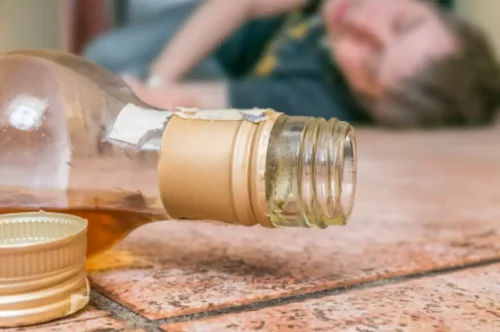
- This article explores 50 substance abuse group activities designed to empower individuals in their recovery journey.
- Good nutrition is foundational for mental and physical health, especially in recovery.
- This list of 50 group activities is designed to empower individuals on their journey by building self-awareness, enhancing coping strategies, and fostering a sense of community.
- Recovery from substance abuse is strengthened through shared experiences, practical skills, and supportive connections.
- Marking recovery anniversaries acknowledges members’ hard work and dedication.
Group therapy is used to guide clients through the process of gaining insight about themselves, others, and the world around them. Our clients often ask us these questions related to CBT group activities. CARF International accreditation demonstrates a program’s quality, transparency, and commitment to the satisfaction of the persons served.
Members realize they’re not alone in their journey by discussing their challenges, victories, and motivations for recovery. Spirituality can provide a sense of purpose and inner peace in recovery for those interested. This session invites members to explore their spiritual beliefs—whether through mindfulness, religion, or connecting with nature—and discuss how these beliefs can support sobriety. This activity focuses on replacing substance abuse group activities substance use with healthy alternatives during times of stress. Members brainstorm coping mechanisms like exercise, journaling, and talking to a friend, helping them build a toolkit of positive strategies to maintain sobriety. Role-playing allows members to practice responses to difficult situations, such as social events where substances may be present.
Who leads group therapy?
Observing individuals in this group dynamic gives therapists a different perspective that allows them to enhance the quality of care provided for clients. Gratitude journaling helps shift focus to the positive aspects of life, which can improve mood and build resilience. In this activity, members list and share three things they’re grateful for with the group.